The French Way
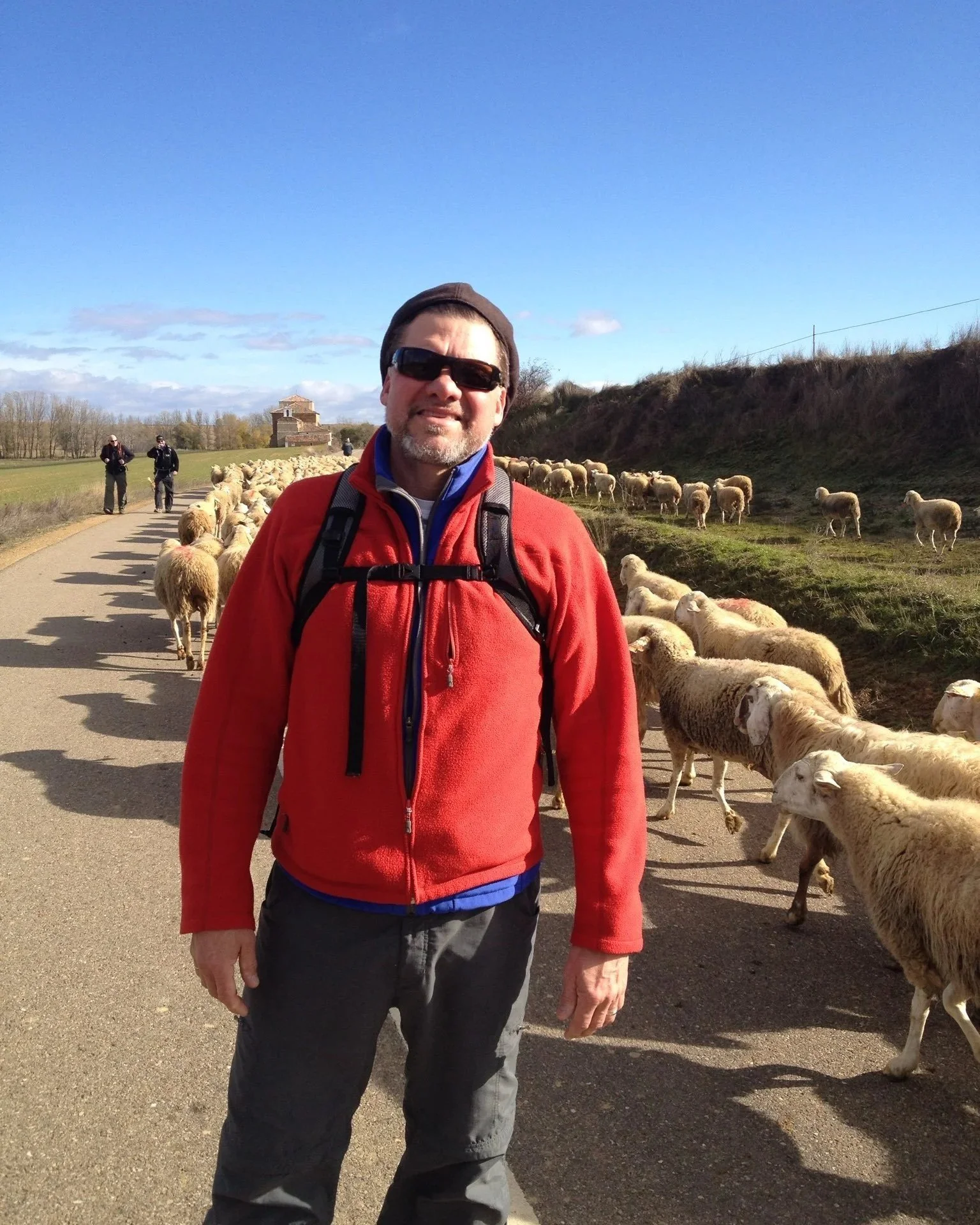
The Camino Francés is the classic pilgrimage route — 800 kilometres from the French Pyrenees across the heart of northern Spain to Santiago de Compostela, the road that has been changing people for a thousand years.
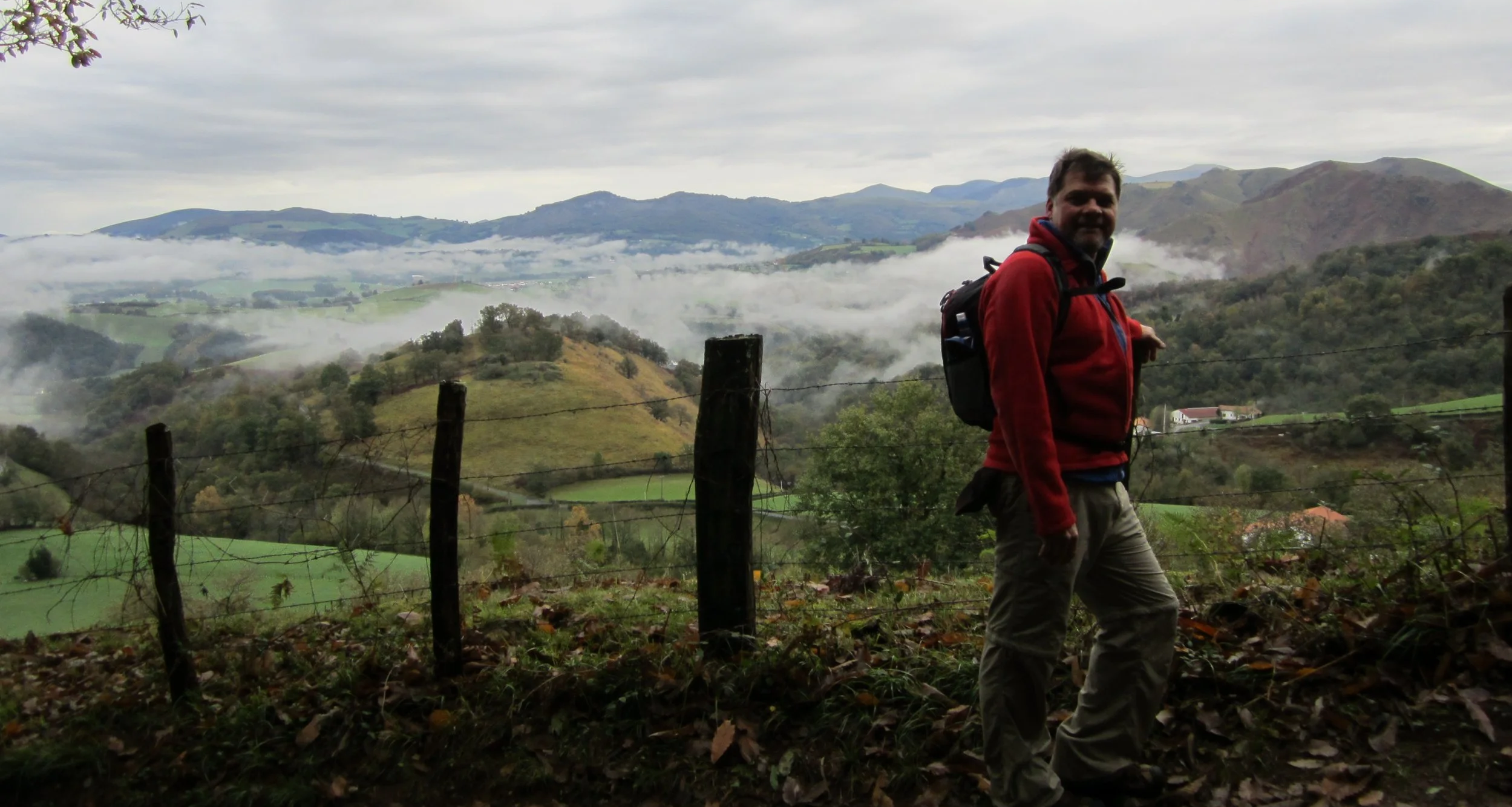
Stages of the French Way
Section 1 — Saint-Jean-Pied-de-Port to Pamplona~66km · 3 stages
Section 1 — Saint-Jean-Pied-de-Port to Pamplona~66km · 3 stages
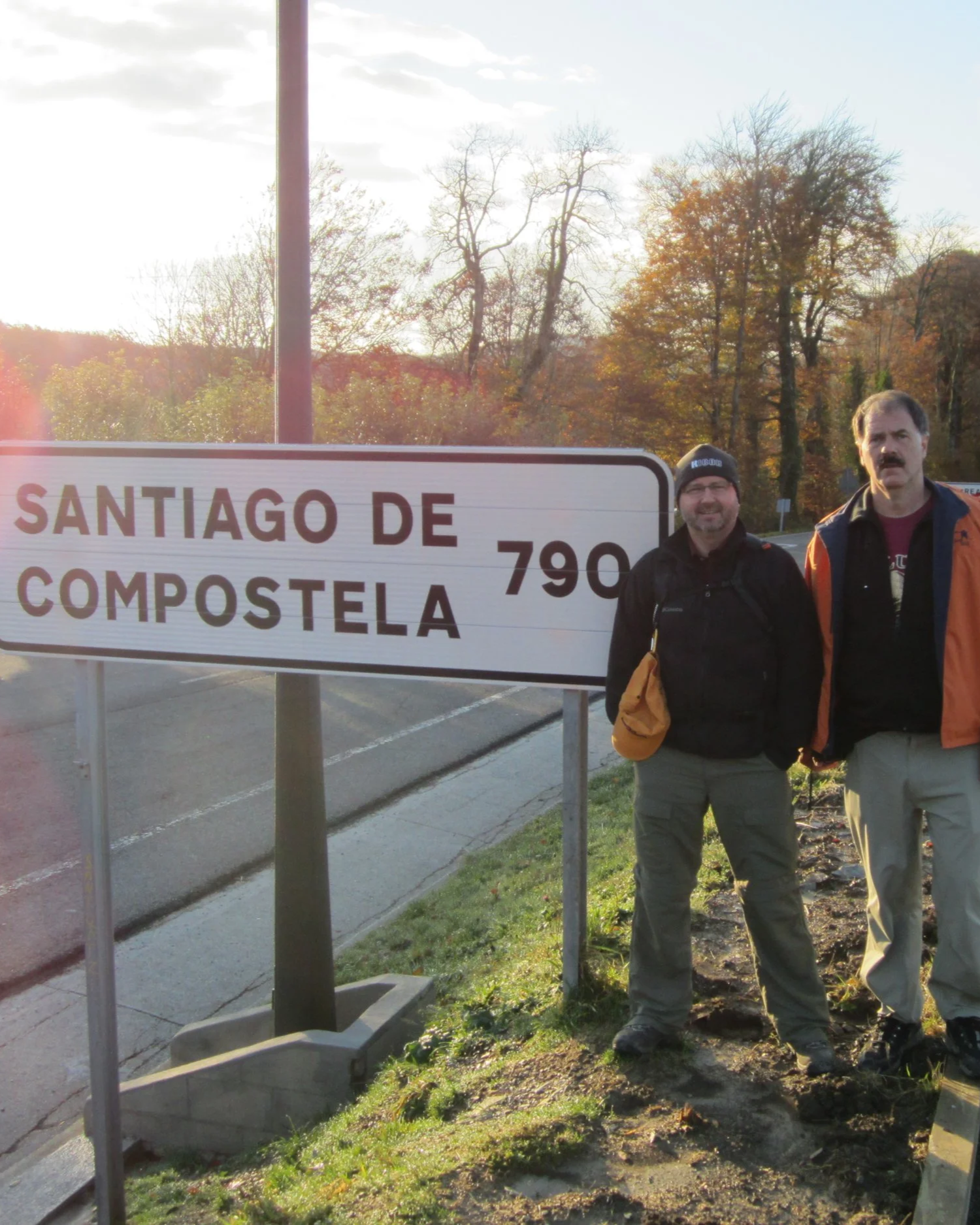
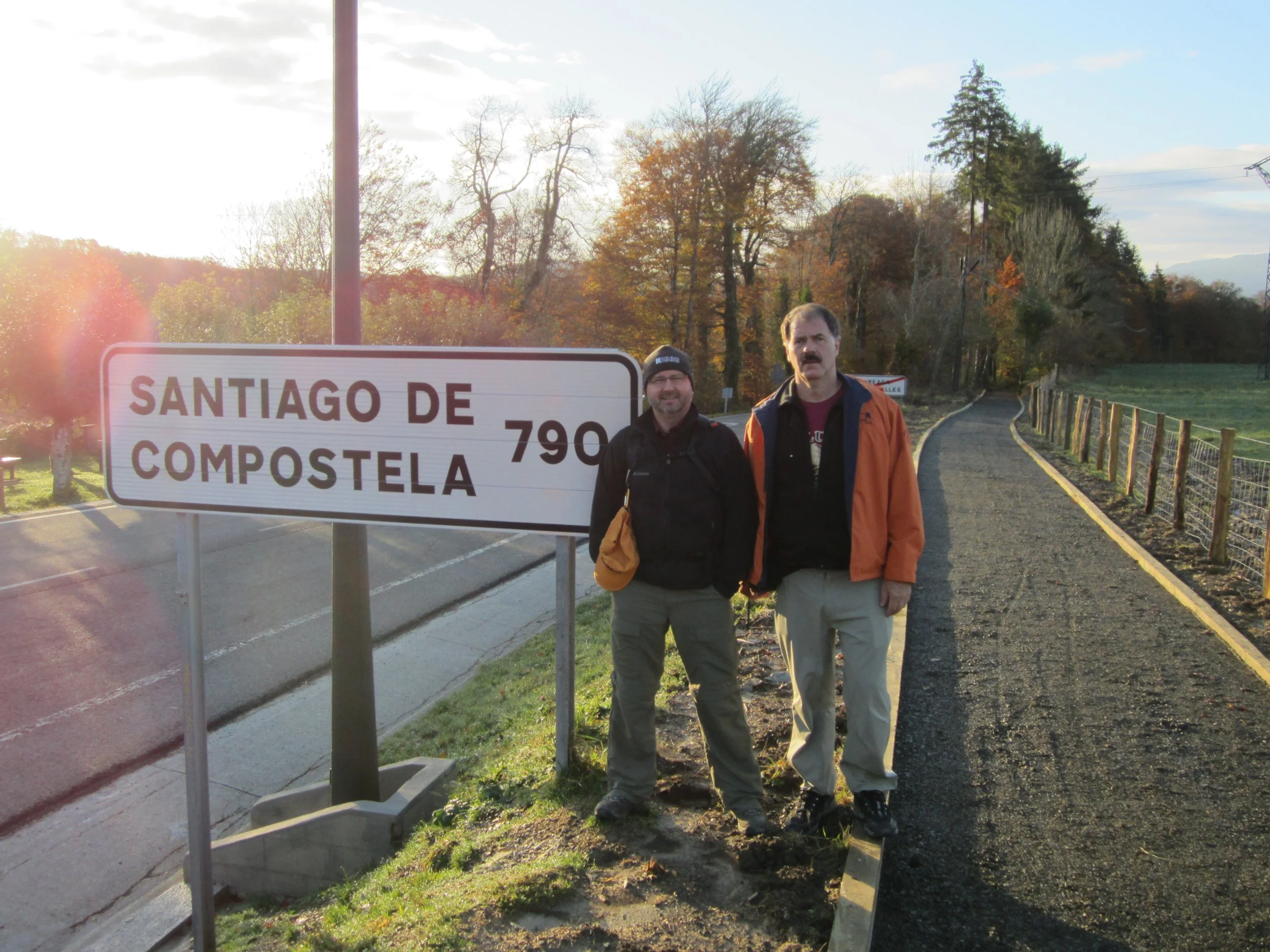
The Camino Francés begins with its most dramatic day — the crossing of the Pyrenees from France into Spain. Three days of walking through mountain passes and Navarrese countryside bring you to Pamplona, the first great city on the route. The walk that changes everything starts here.
Saint-Jean → Roncesvalles (25km) → Zubiri (21km) → Pamplona (20km)
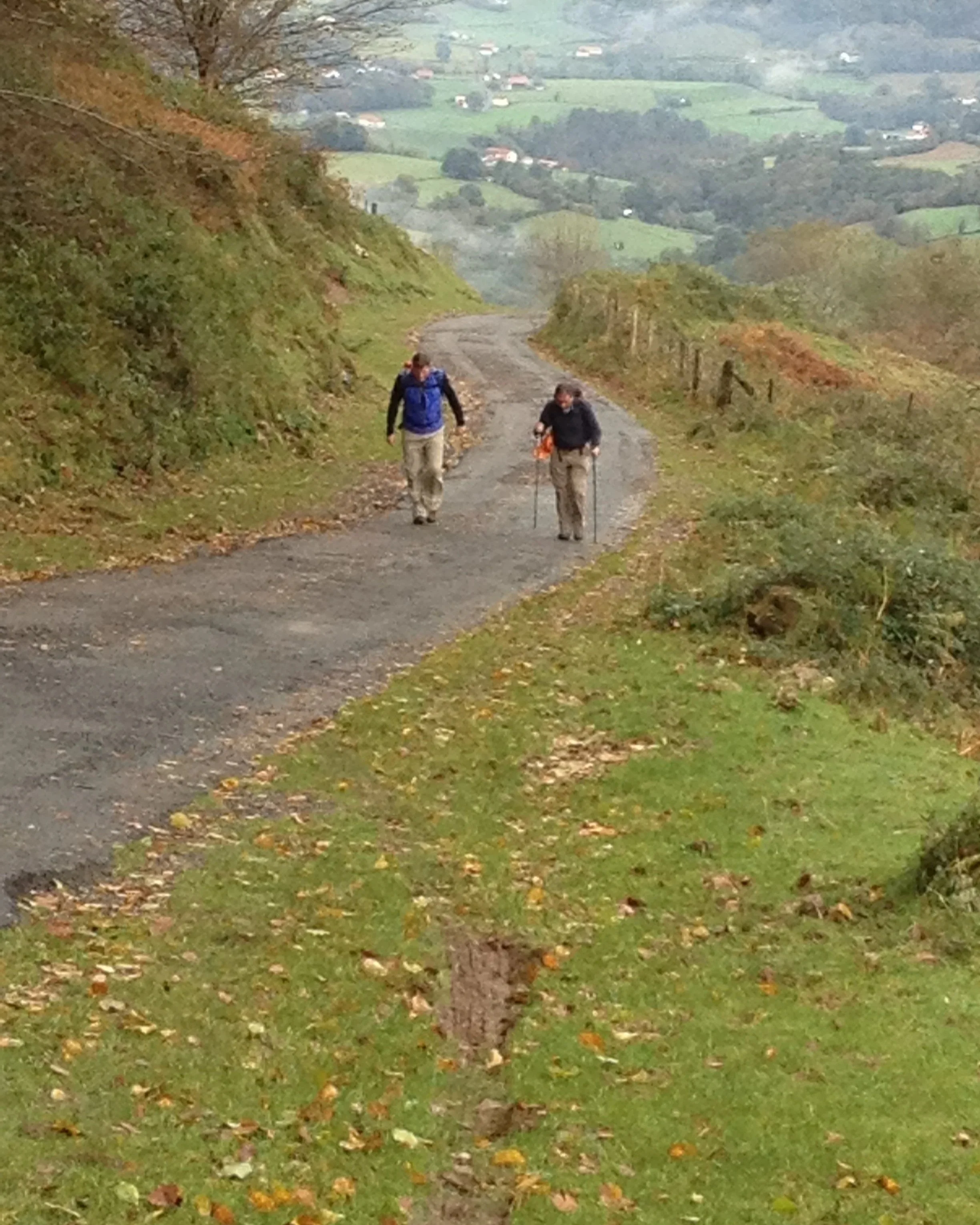
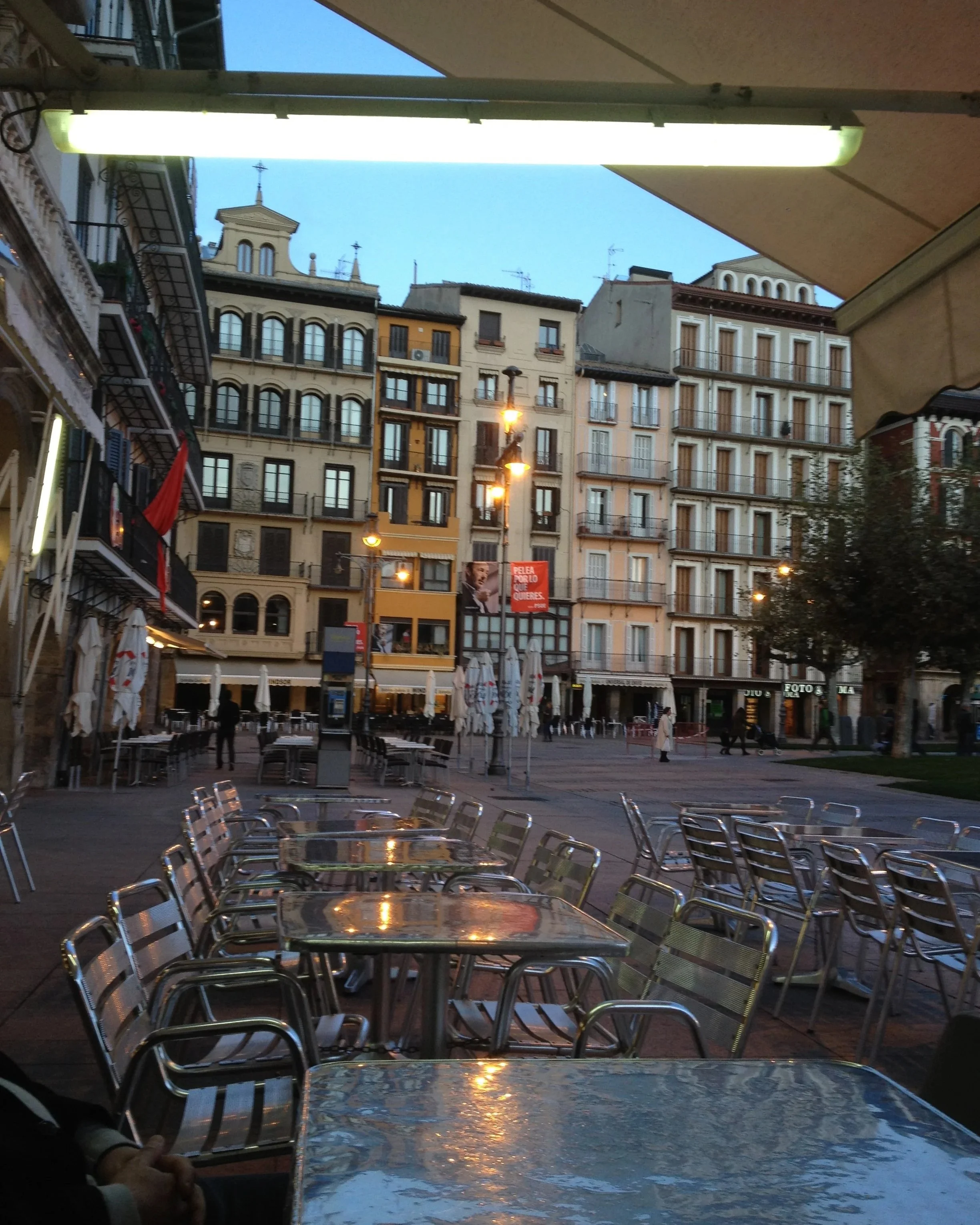
Section 2 — Pamplona to Logorno~96km· 9 stages
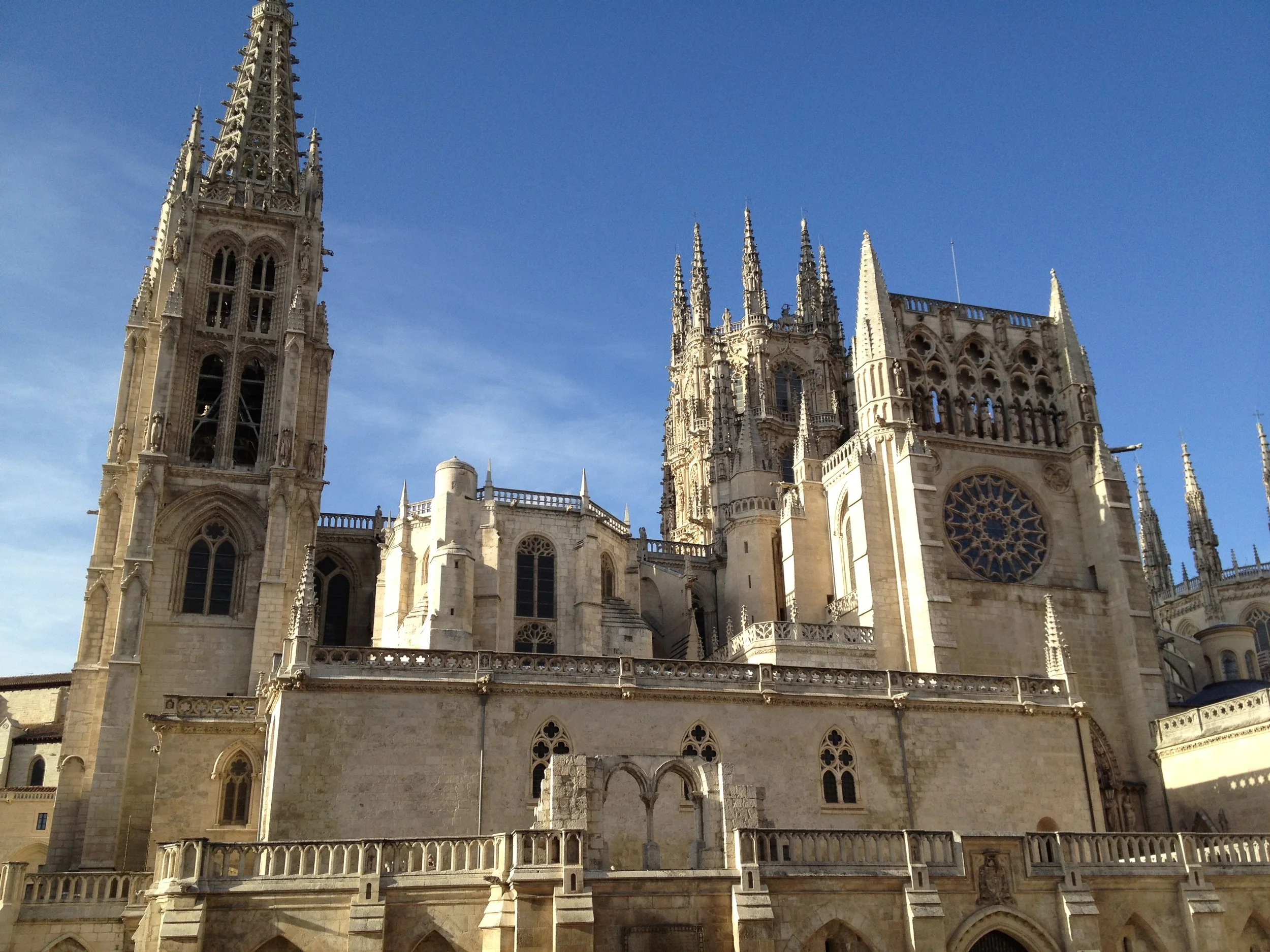
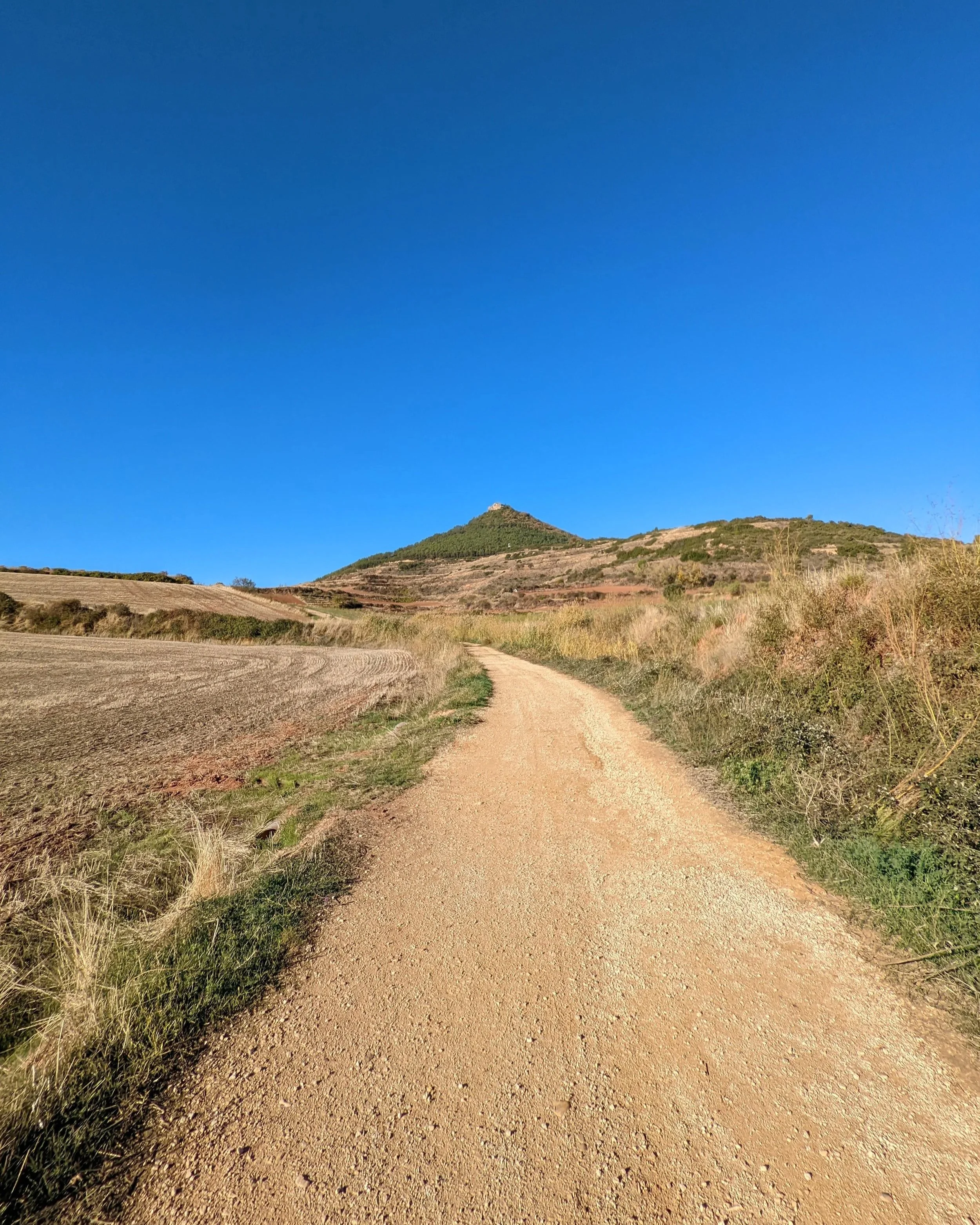
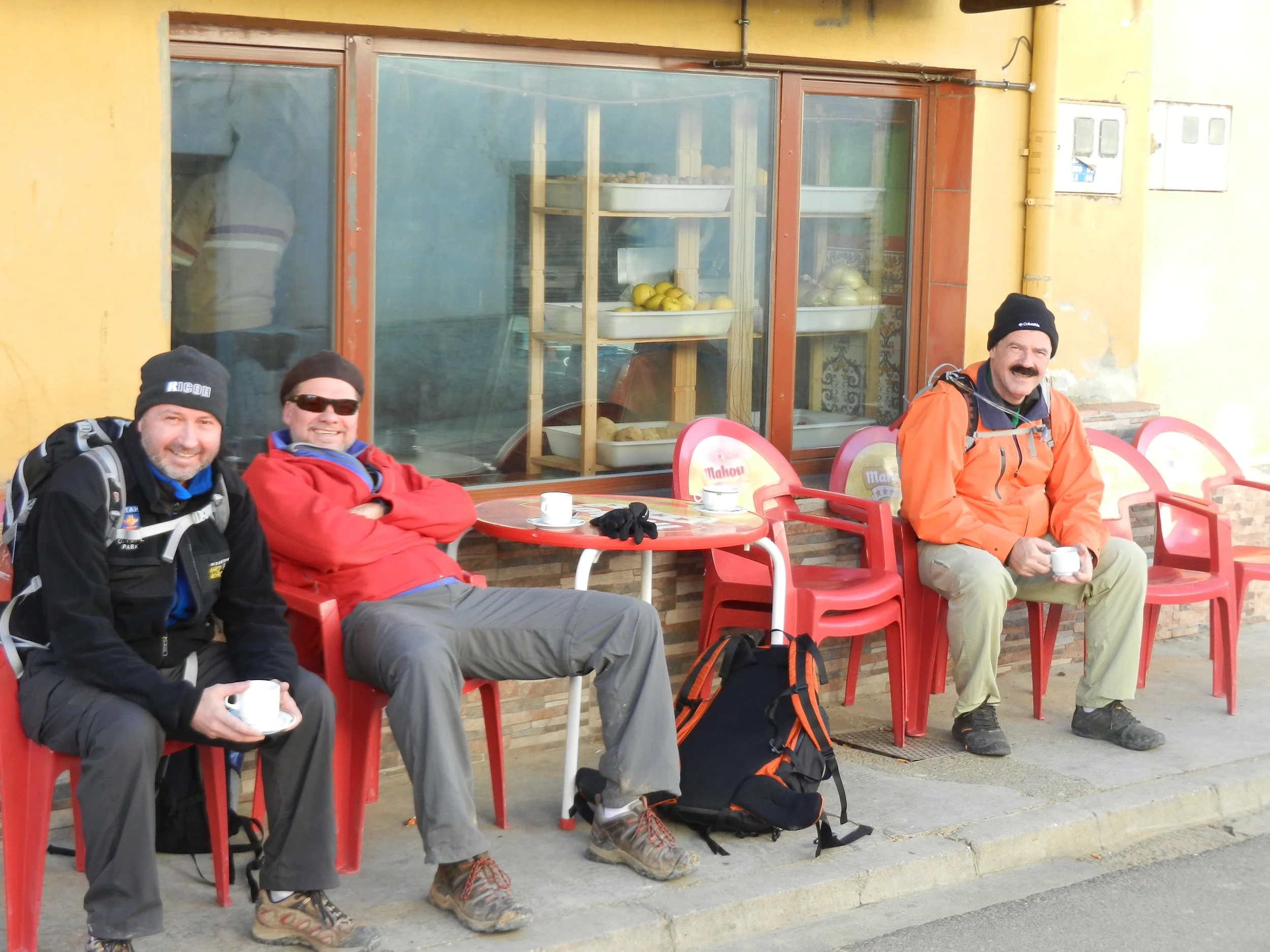
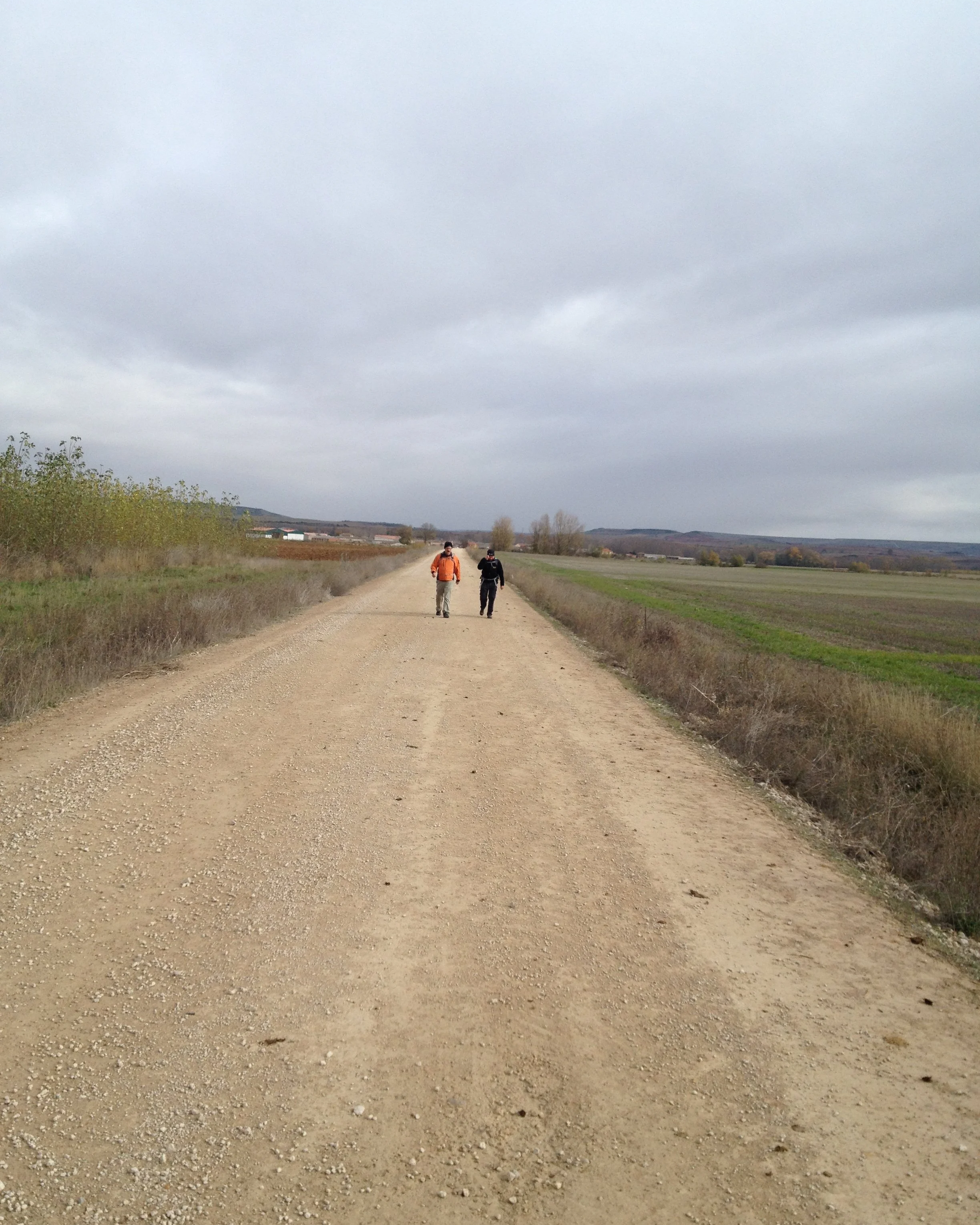
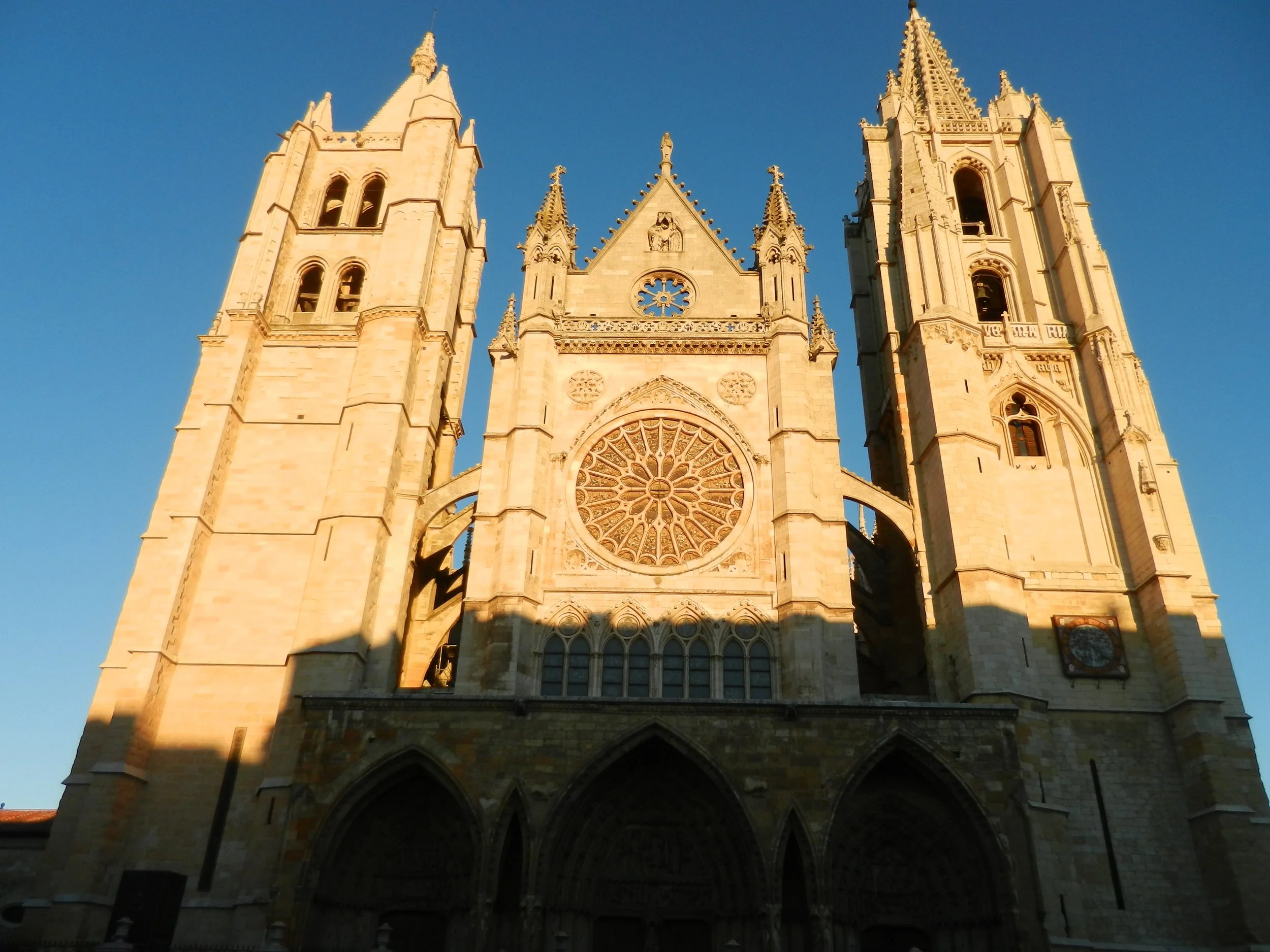
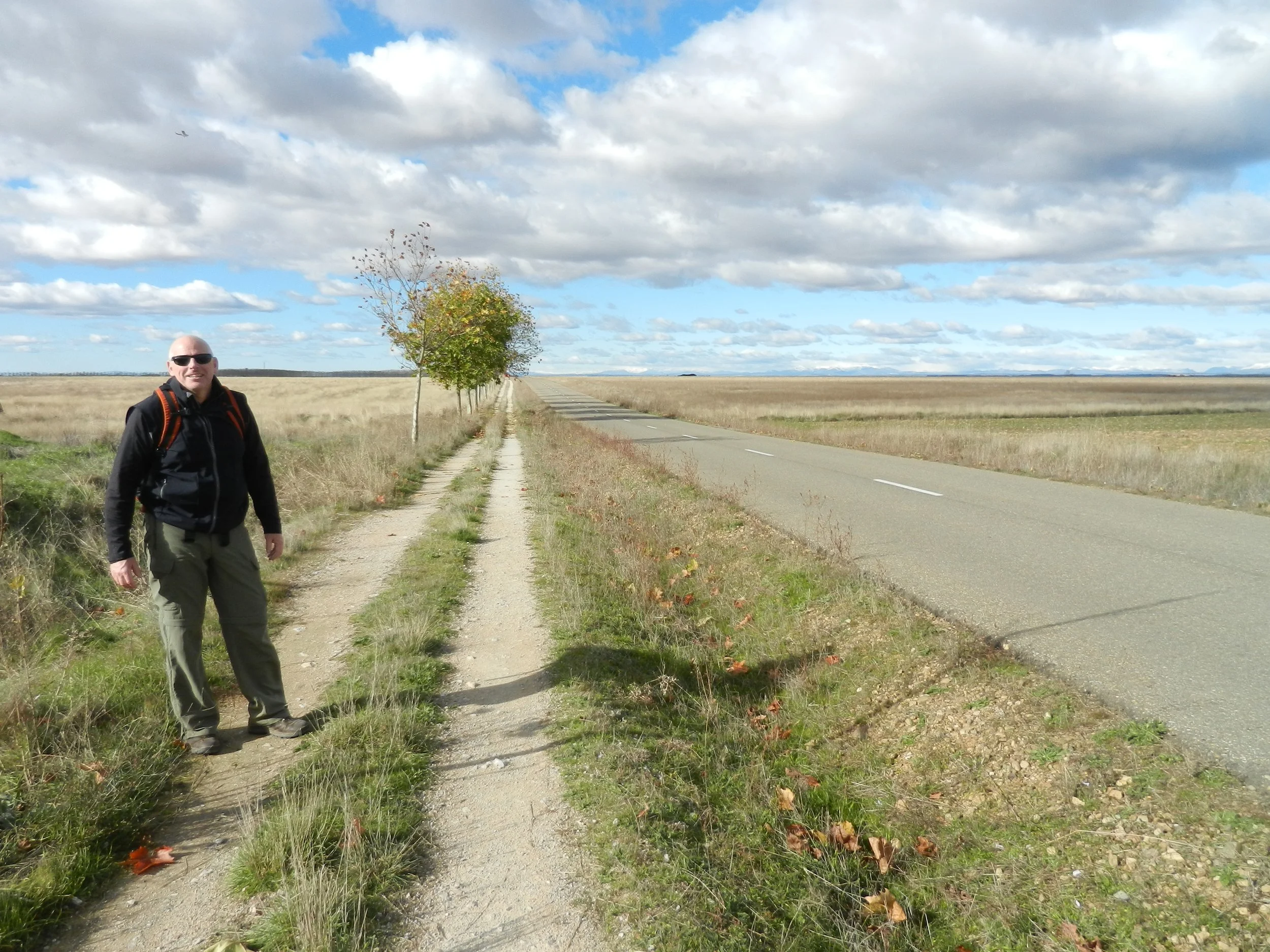
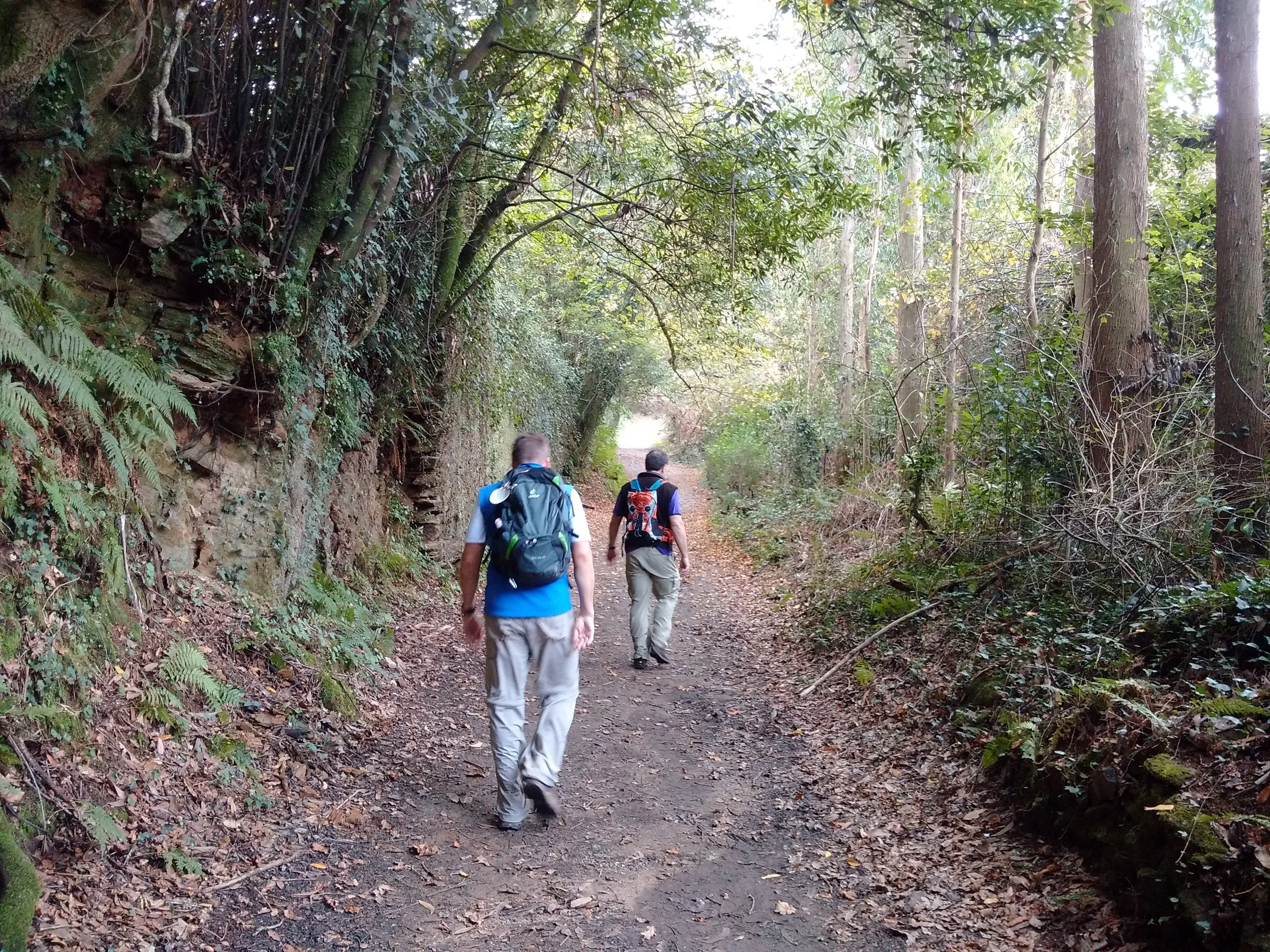
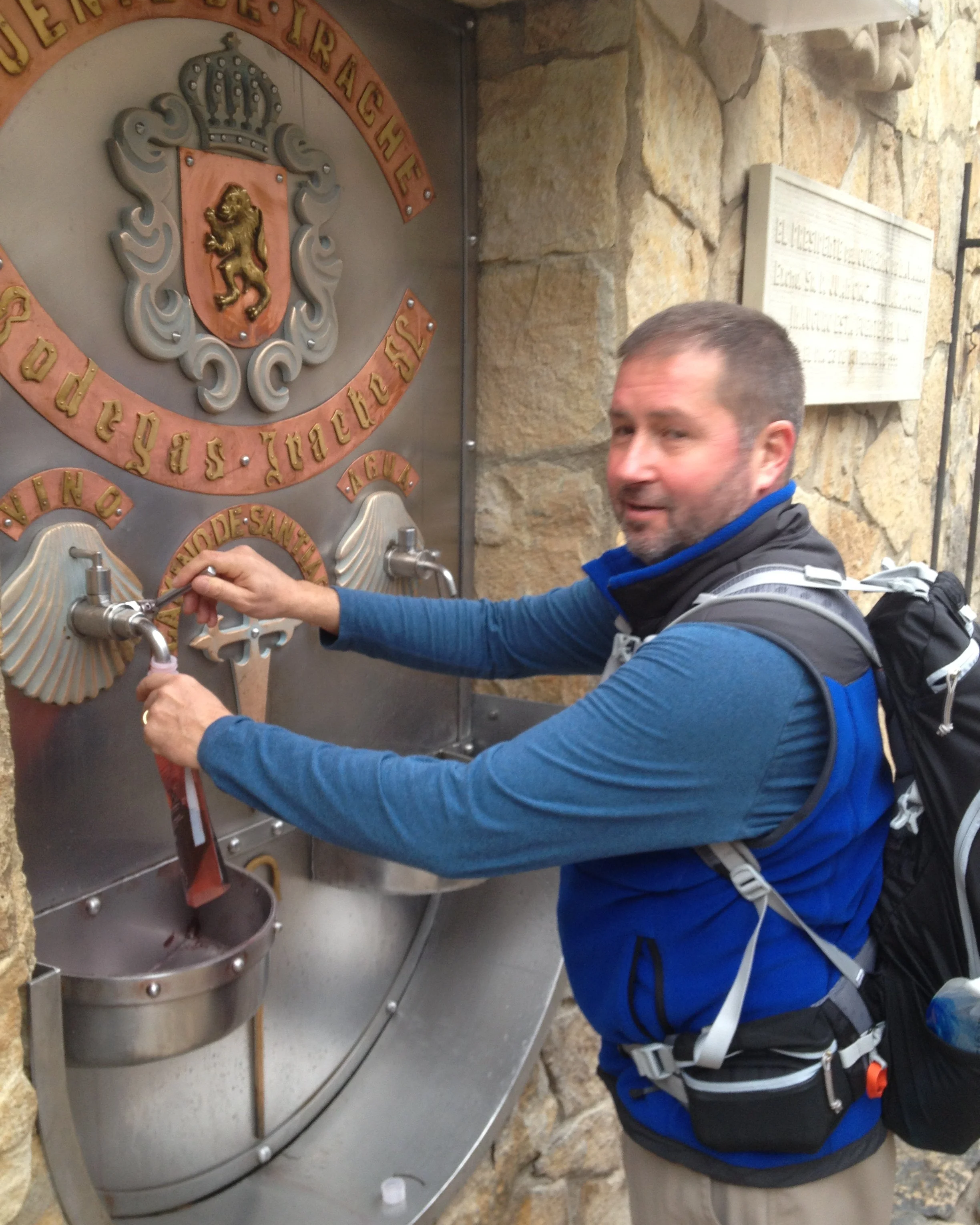
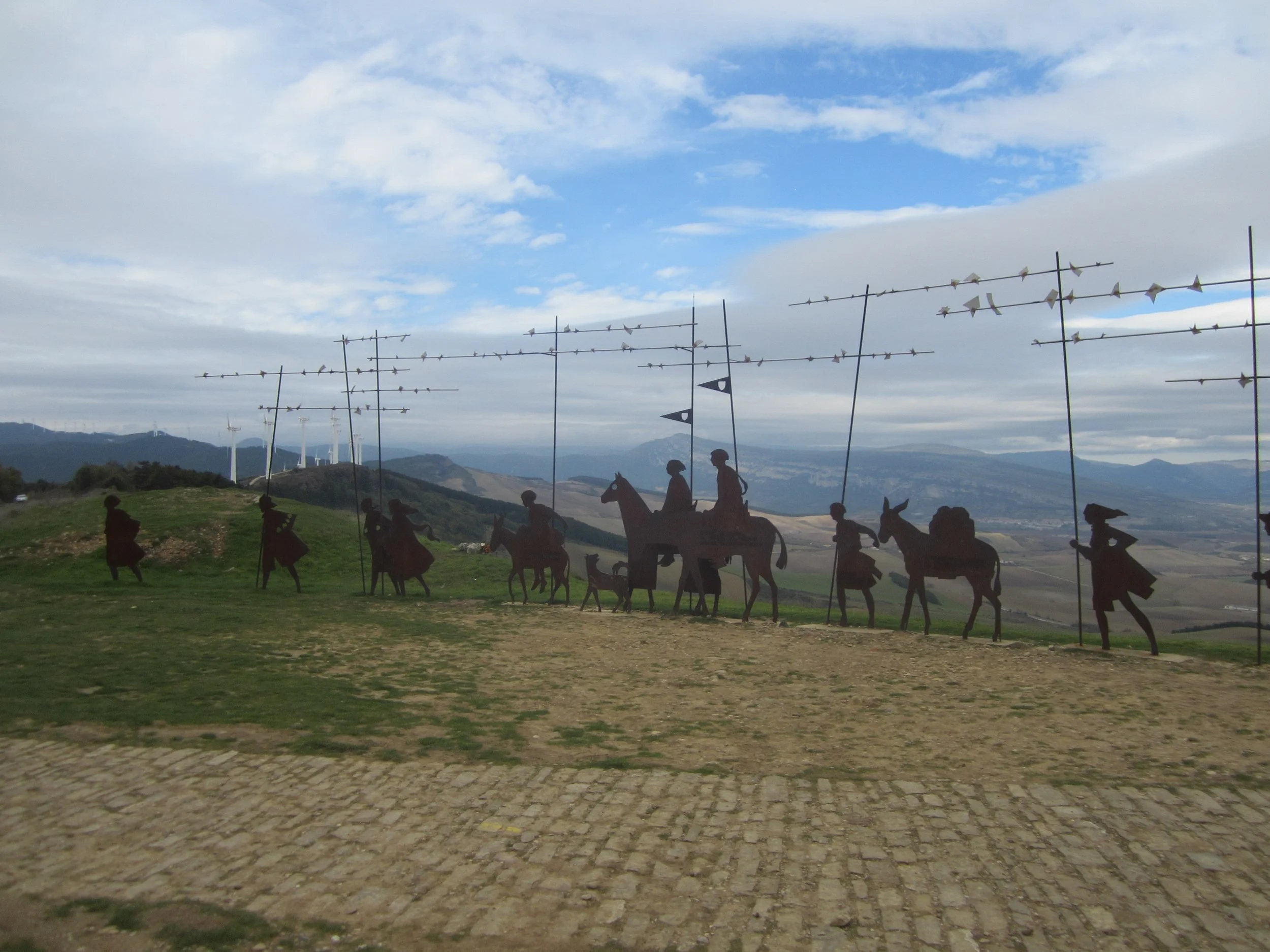
The heart of the Camino Francés. The route crosses the Rioja wine country — two days walking through vineyards at their most beautiful — before arriving at Santo Domingo de la Calzada and the approach to Burgos. The wine fountain at Bodegas Irache, the tapas street in Logroño, and the Gothic cathedral in Burgos make this the most varied and rewarding section on the entire route.
Pamplona → Puente la Reina (24km) → Estella (22km) → Los Arcos (22km) → Logroño (28km) → Nájera (28km) → Santo Domingo de la Calzada (21km) → Belorado (23km) → San Juan de Ortega (24km) → Burgos (28km)
Section 3 — Burgos to León~180km · 8 stages
The meseta. The great flat plain of northern Spain that most pilgrims fear before they walk it and remember longest afterward. Eight days of open sky, Roman roads, and a particular silence that does its work on whoever is walking through it. The section ends in León, one of the finest cities on the Camino, anchored by its extraordinary stained glass cathedral and the magnificent Parador San Marcos.
Burgos → Hornillos del Camino (21km) → Castrojeriz (20km) → Frómista (25km) → Carrión de los Condes (20km) → Calzadilla de la Cueza (17km) → Sahagún (22km) → El Burgo Ranero (18km) → Mansilla de las Mulas (19km) → León (18km)
Section 4 — León to Sarria~195km · 8 stages
The mountains return. The route climbs from León through the Cruz de Ferro — the Iron Cross at 1,504m where pilgrims have left stones from home for centuries — and over the dramatic pass at O Cebreiro into Galicia. The landscape transforms completely on the descent. Everything from here to Santiago is green, granite, and ancient in a different way from the plains behind you.
León → Villavante (22km) → Astorga (27km) → Rabanal del Camino (20km) → Ponferrada (32km) → Villafranca del Bierzo (24km) → O Cebreiro (30km) → Triacastela (21km) → Sarria (19km)
Section 5 — Sarria to Santiago de Compostela ~116km · 5 stages
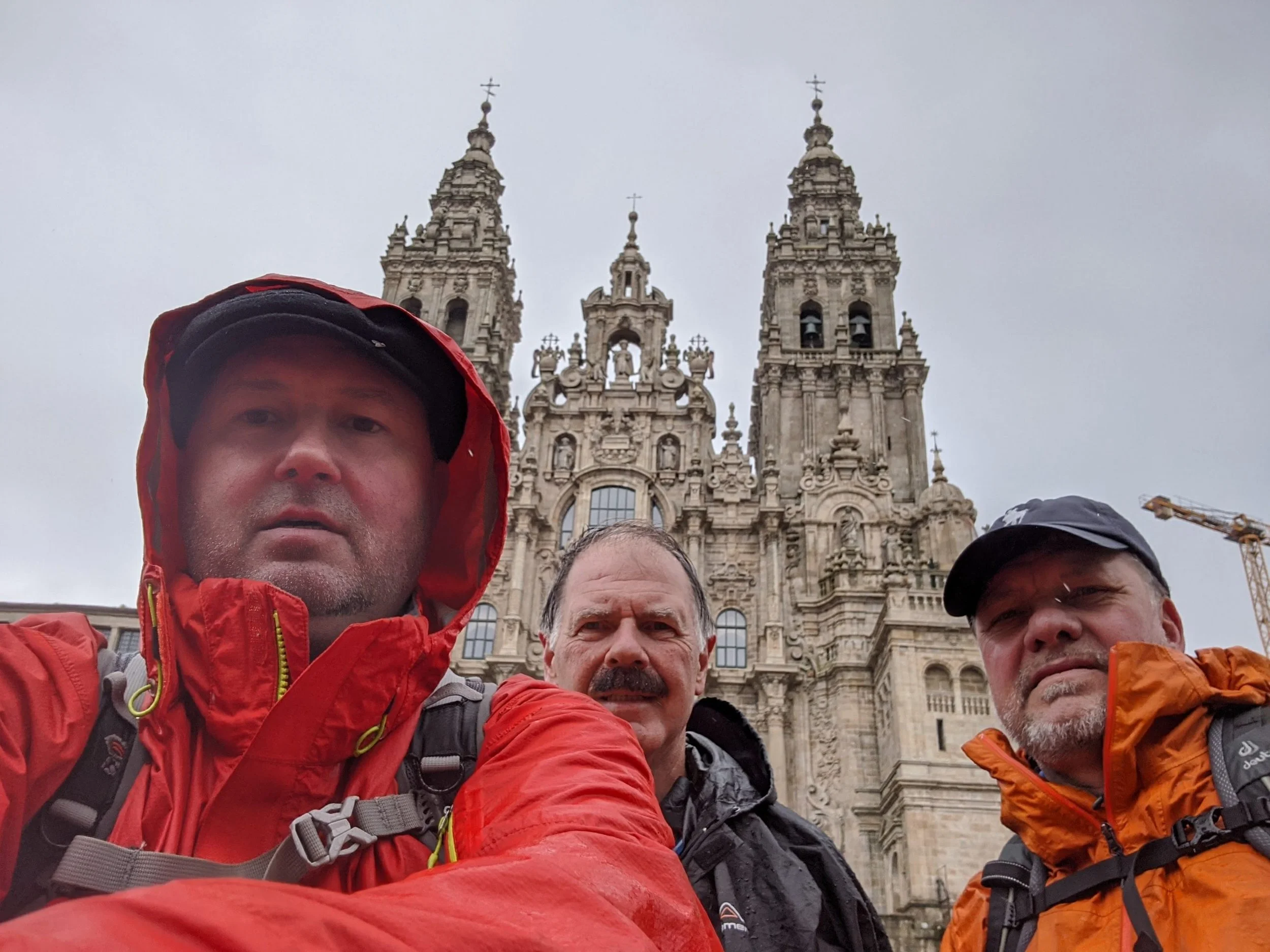
The final section begins at Sarria — the last qualifying start point for the Compostela certificate — and ends in the Plaza del Obradoiro in front of the Santiago cathedral. Five days through the green valleys of Galicia, arriving at one of the great pilgrimage destinations in the world.
Sarria → Portomarín (23km) → Palas de Rei (25km) → Arzúa (29km) → O Pedrouzo/Arca (19km) → Santiago de Compostela (20km)
Section 6 — Santiago de Compostela to Finisterre & Muxia ~120km· 4 stages
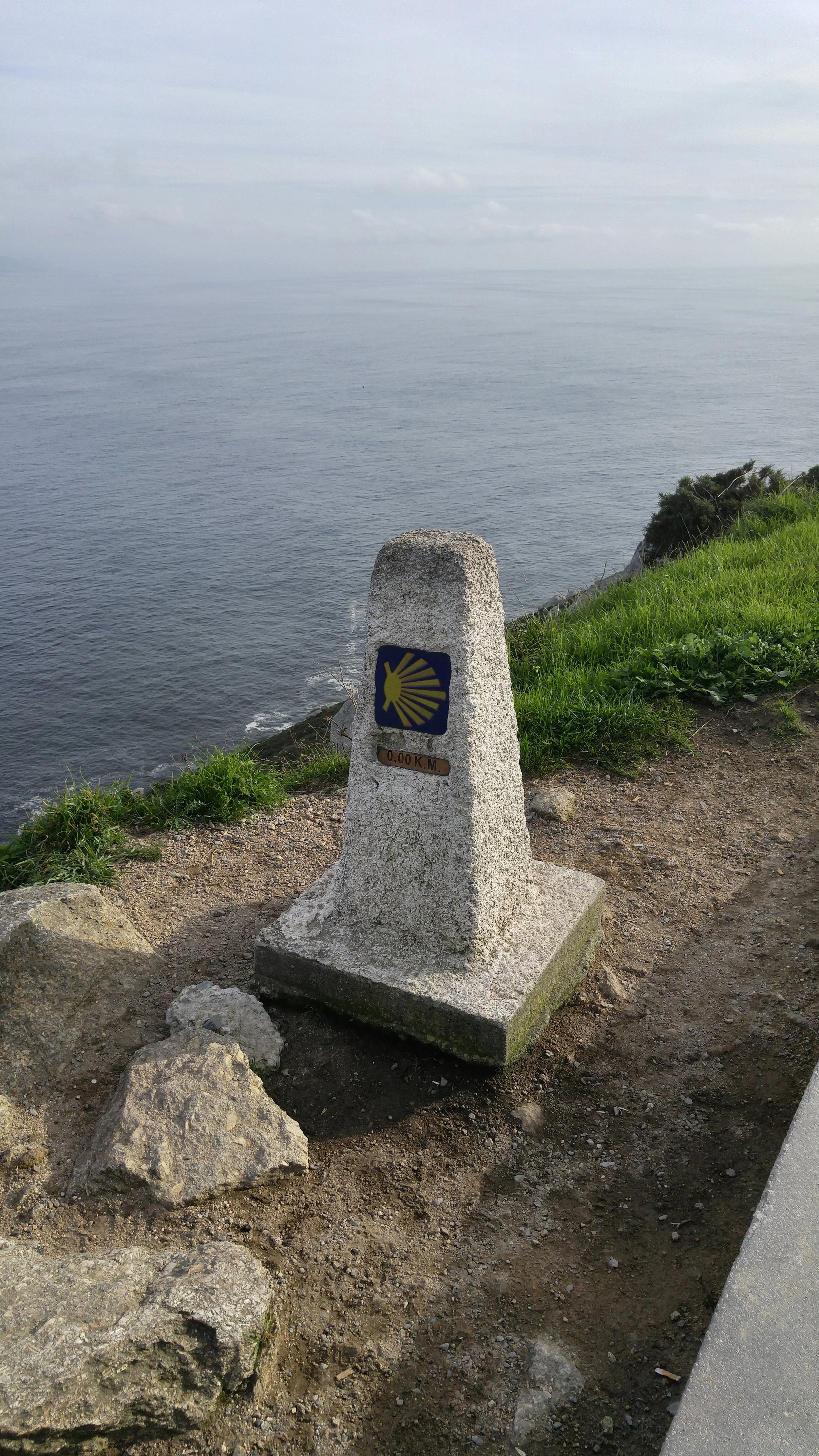
For those with time and legs to spare, the route continues to Finisterre and the Atlantic Ocean — the way the original pilgrims ended their journey.
Santiago → Negreira (22km) → Oliveiroa (34km) → Fisterra (22km) → Muxía (29km)